Independent wellness research, reviews & buying guides
Editorial StandardsContact
NutritionSleepHealthy AgingFitness & RecoveryBeauty & SkinWomen's WellnessMen's WellnessOral HealthGuidesReviewsAbout
Research library

Evidence-aware wellness guides

Practical explanations, safety context and transparent sourcing across the complete wellness journey.

Blue Light and Sleep: What Matters More Than Screen Color

Blue Light and Sleep: What Matters More Than Screen Color

Blue light can affect circadian timing, but screen color is only one part of the bedtime equation. The stronger practical focus is on when and how long you use screens, how bright the overall evening environment is, whether the device delays sleep, and whether the activity keeps you mentally switched on.

Read guide →
Creatine for Men: Performance, Muscle and Safety

Creatine for Men: Performance, Muscle and Safety

Creatine monohydrate is one of the best-studied supplements for men who perform resistance training. It may provide a modest advantage in repeated high-intensity performance, strength and fat-free mass, while commonly causing some water-related weight gain. It is not a steroid, is not FDA-approved as a drug, and can raise serum creatinine without necessarily indicating kidney injury.

Read guide →
Protein Timing After Exercise: How Narrow Is the “Anabolic Window”?

Protein Timing After Exercise: How Narrow Is the “Anabolic Window”?

You do not need to race a 30-minute clock after lifting. For most people, consistently adequate daily protein and regular resistance training matter more than whether protein arrives immediately after the final set. A post-workout meal or shake can still be useful—especially after fasted training or when your next meal is far away—but it is a practical tool, not an emergency.

Read guide →
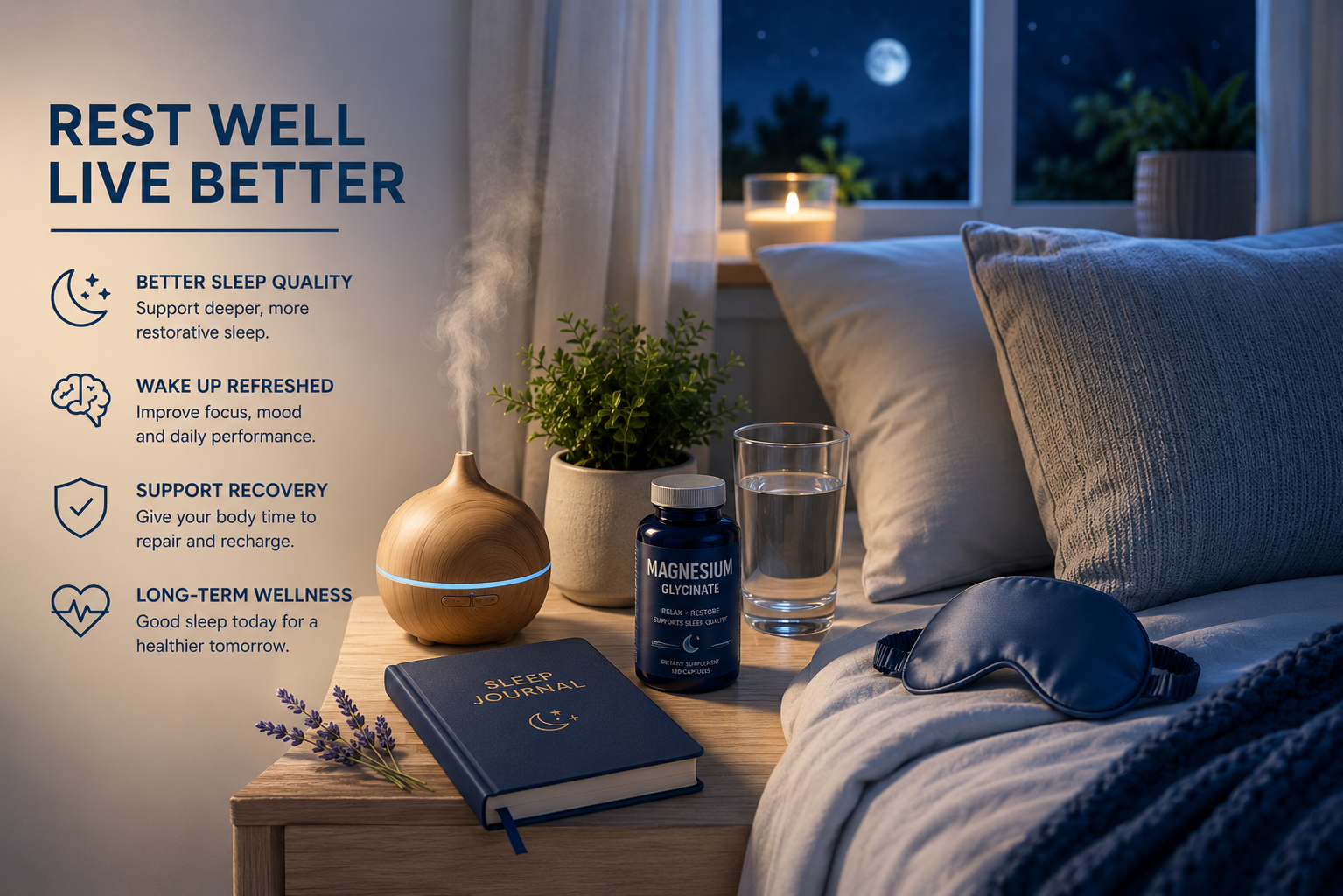
Magnesium for Sleep: What the Research Actually Shows

Magnesium for Sleep: What the Research Actually Shows

Magnesium is widely marketed as a natural sleep aid, but the evidence is more limited—and more conditional—than the advertising suggests. Here is what randomized trials, systematic reviews, NIH guidance and sleep-medicine recommendations actually support.

Read guide →
Creatine for Adults: Benefits, Limits, Dosing, and Safety

Creatine for Adults: Benefits, Limits, Dosing, and Safety

Creatine monohydrate is one of the better-studied exercise supplements, with its clearest benefits in repeated high-intensity activity and resistance training. This evidence-based guide separates those established uses from less certain claims about cognition and healthy aging, while covering dosing, water-weight changes, kidney-test interpretation, and product quality.

Read guide →
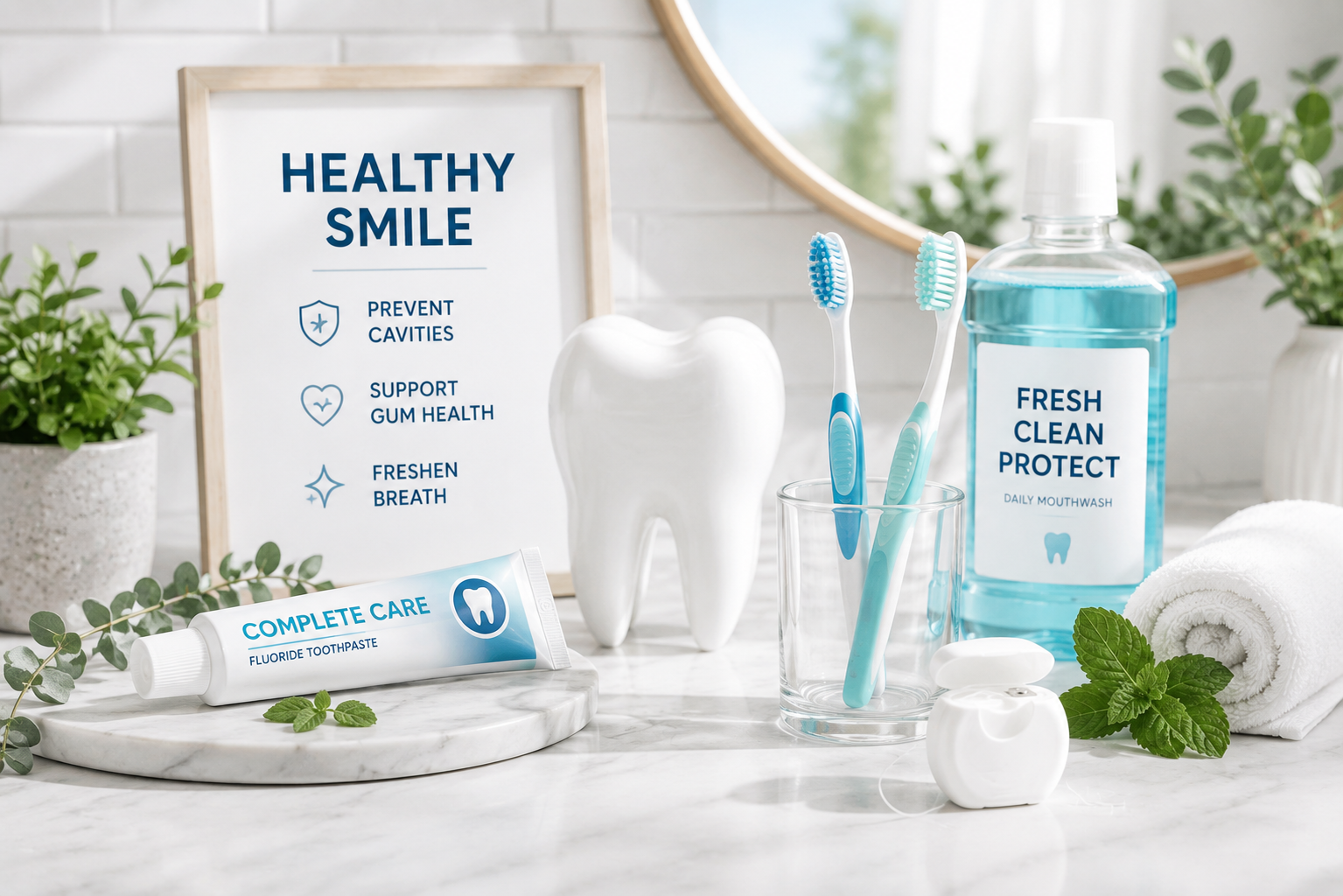
Fluoride Toothpaste: How It Prevents Cavities and How to Choose One

Fluoride Toothpaste: How It Prevents Cavities and How to Choose One

Fluoride toothpaste remains the most evidence-backed everyday defense against cavities for adults. Learn how fluoride works, what 1,000–1,500 ppm means, when prescription-strength toothpaste is appropriate, how to choose a sensitivity formula, and which common fluoride claims do—and do not—match the evidence.

Read guide →
Walking vs Running: Which Is Better for Health?

Walking vs Running: Which Is Better for Health?

Walking and running can both improve cardiovascular health and longevity. The better choice depends on the dose you can sustain, your goals, injury risk, current fitness, and how much time you have—not on a universal winner.

Read guide →
Walking and Longevity: What Step-Count Studies Really Show

Walking and Longevity: What Step-Count Studies Really Show

Research does not support a universal 10,000-step requirement. Studies in middle-aged and older adults generally find that mortality risk falls as daily steps rise, with meaningful associations often appearing well below 10,000 steps. The practical goal is not a magic number but a sustainable increase from your current baseline, combined with brisk walking, strength, balance and medical judgment.

Read guide →
Melatonin: What It Can Help With, What It Cannot, and How to Use It More Safely

Melatonin: What It Can Help With, What It Cannot, and How to Use It More Safely

Melatonin is best understood as a timing signal for the body clock—not a universal sleeping pill. It may help with jet lag and delayed sleep-wake phase disorder, while benefits for ordinary chronic insomnia are smaller and less certain. Learn how timing, dose, next-day effects, product quality, age, pregnancy, medications and storage change the decision.

Read guide →
Editorial image for How Much Sleep Do Adults Need?

How Much Sleep Do Adults Need?

An evidence-aware Nuvarellia guide to how much sleep do adults need?, including practical questions, limitations, safety context and what to check before spending money.

Read guide →
Editorial image for Healthy Aging: The Big Picture

Healthy Aging: The Big Picture

An evidence-aware Nuvarellia guide to healthy aging: the big picture, including practical questions, limitations, safety context and what to check before spending money.

Read guide →
NUVARELLIA NOTES

Evidence in your inbox.

Research-backed guides, review updates and practical consumer checklists.